Foreign Affairs – 25 September 2026
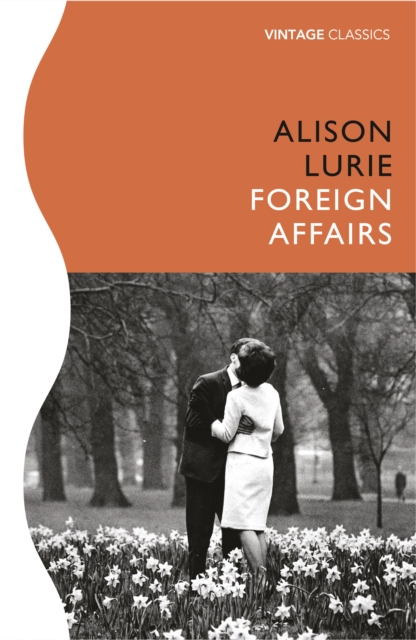
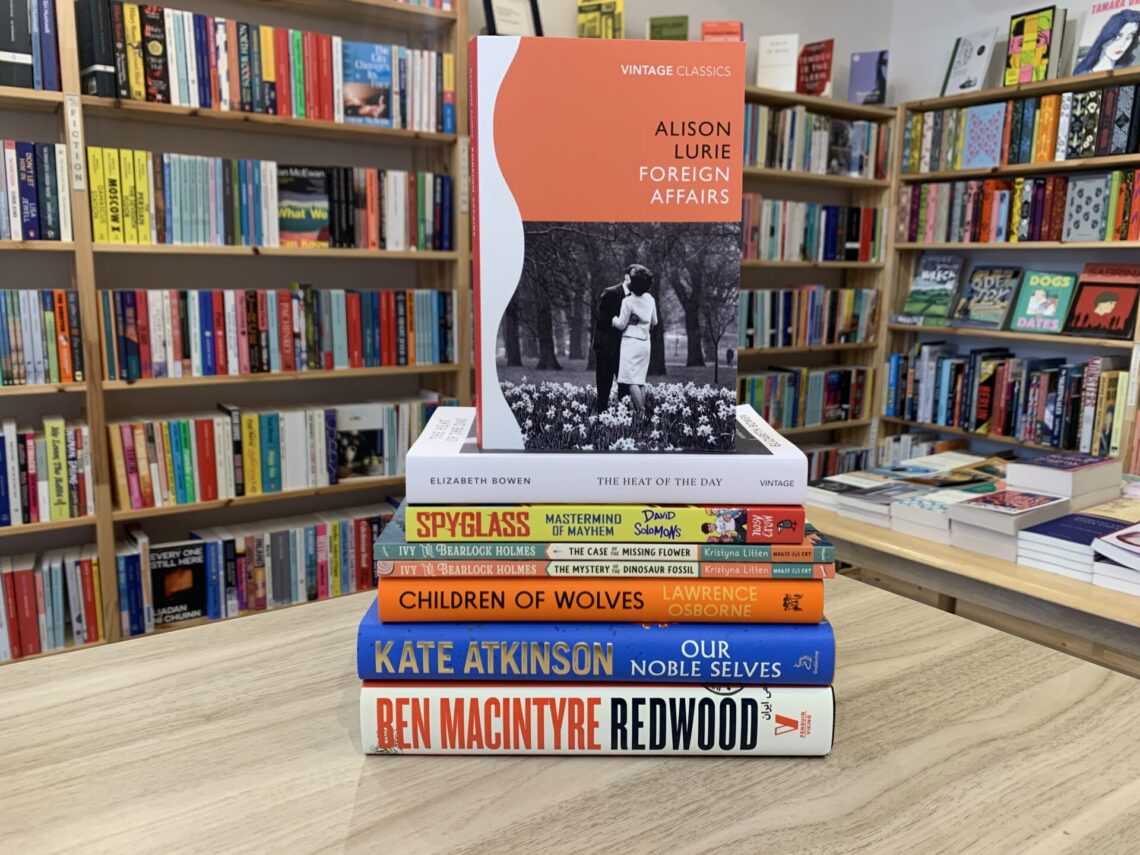
Last week’s newsletter closed with Foreign Affairs by Alison Lurie, which I had just started. I must now insist that you all read it, if you have not already.
Vinnie, the fifty-four-year-old American academic in London to collect children’s playground rhymes, is one of my favourite characters in literature. Clear-eyed about many aspects of herself, her research and the perceptions of ageing women and of Americans, she is simultaneously deluded, seeing England through a rosy historical haze applicable neither in the past nor now and imagining that no one could fall in love with her. Enter Chuck Mumpson. An entirely inappropriate prospect. Not even a prospect since, ‘She certainly hadn’t come all the way to London to make it with a sunbelt polyester American left behind by a two-week guided tour, an unemployed sanitary engineer who wears a transparent plastic raincoat and cowboy boots and had never heard of Harold Pinter, Henry Purcell, or William Blake.’
Her younger colleague, Fred Turner, is also visiting London to research John Gay though the BM (the British Museum to most, the ‘Bowel Movement’ to Fred, for reasons explained) is uninviting, his marriage is crumbling and various members of high society, featured regularly in Private Eye, have invited him to country homes or the opera. Academic pursuits may take a backseat.
Foreign Affairs is a warm novel, wry, unsentimental yet comforting. The clothes, the hair, the theatre, the parties are beautifully observed. The characters glow even as London’s weather does not.
To foreign affairs of another kind, I have been immersed in several espionage stories. Admittedly affairs of the heart are at the centre of these too, both the fictional stories and Ben Macintyre’s latest history book.
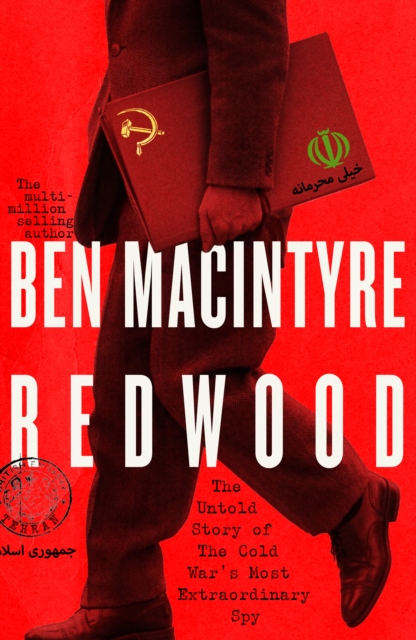
Redwood tells the story of the six-foot-four KGB spy, Vladimir Kuzichkin, operating in Tehran, who defected to the British in 1981. As the book opens his counterpart in MI6, Ian McCredie, is trying to assess whether the giant perched opposite him on a creaking wicker basket is a ‘dangle’ or the real thing, a double agent with a lot to share. Kuzichkin is disillusioned with the Soviet Union, terrified since two of the ‘illegals’ he has been running have been arrested and convinced that the British will be able to assist with a medical problem to which he cannot admit in Russia.
Without giving too much away, McCredie will find himself trying to extract Redwood/Kuzichkin from Iran in extremely precarious circumstances with a promise that a doctor and an astrologer will be waiting for him as soon as he is out. Details of the journey, reconnaissance missions encountering large men with large guns, forged passport stamps almost ruined by nervous sweating – all of this is nothing compared with trying to find a doctor willing to perform a circumcision and an astrologer a horoscope reading with the necessary very high security clearance.
It is a sensational story and more than that too. This is a huge recent history of political upheaval in Iran and a meticulous, and haunting, assessment of deeply cruel political regimes and personal responsibility. Le Carré-esque in complexity and scope (indeed the fictional George Smiley gets more than one mention) Macintyre is very careful to deliver something beyond the thrilling story. Redwood’s information and the resulting actions of Western governments lead to torture and killing and the strengthening of a brutal government. There is sobering writing here, while Redwood himself consumes yet another bottle of Stolichnaya.
I have learnt a lot about spycraft too. You won’t catch me attending a rendezvous without… well, you won’t catch me at all because I will have done my ‘dry cleaning.’ I can pull off a brush contact with perfect timing. My eye for dead letter boxes is perfectly honed. Hidden in them, I have found notes on the following.
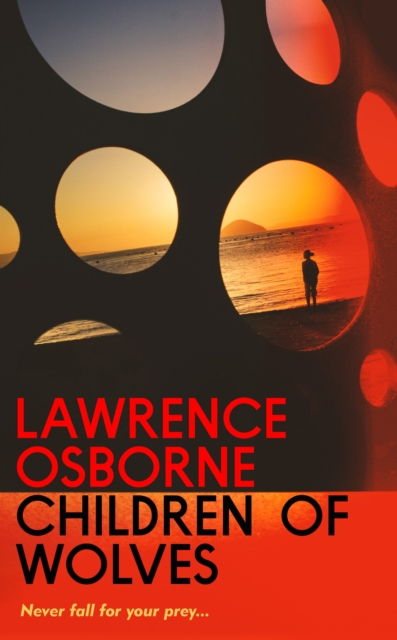
Children of Wolves by Lawrence Osborne: a private investigator sips orta kahve each morning, surveying the scene from the balcony of his Turkish hotel room. He is searching for the daughter of an extremely wealthy American who just wants to know that she’s OK. Other authorities may also be interested in her whereabouts. The daughter happens to be something of a chameleon. She and her friends happen to have a lot of money and an issue with authority. The PI happens to have been at school with the American consul to Turkey. All of them happen to meet. The result is a compelling story one gulps down faster than the suntanned rich kids do their shots of raki.
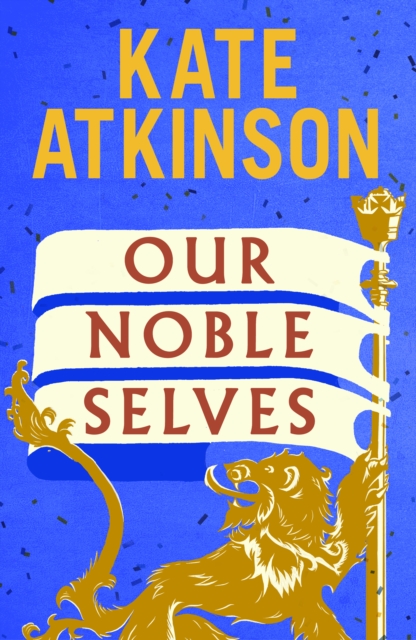
Our Noble Selves by Kate Atkinson: it is 1951 and Harry Flynn is on various sub-committees in order to decide which chest-of-drawers should be on display in the Homes and Garden Pavilion at the Festival of Britain. Where a taxidermied, robotic rabbit ought to go is also at issue, not to mention what sort of ducks should swim on the ornamental lake. There will be a dreadful poetry collection with submissions from the public showcasing all that did not need to be vocalised and a baking competition to find the official Festival Cake, which makes the poetry start to look palatable.
As the Festival draws nearer and the chances of anything being ready recede, Flynn goes on a date with a woman who disappears shortly after. But enquiries from colleagues, police and more enigmatic characters are less pressing than who is going to care for the Festival Cow.
Our Noble Selves is an absolute romp – blackmail, terrible cooking, a plethora of English, sorry British (no one organising the Festival can remember that it is supposed to celebrate the latter) eccentricities and a total disregard for the Official Secrets Act.
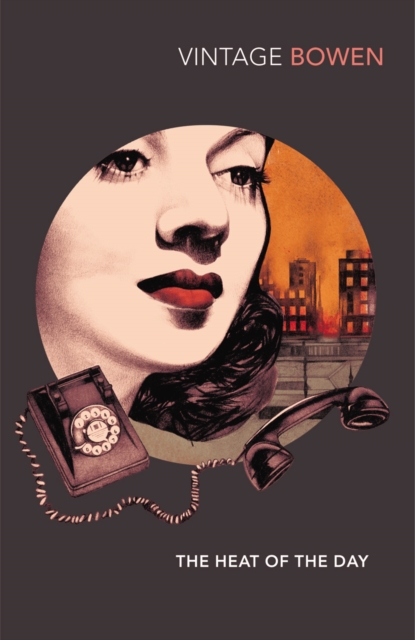
The Heat of the Day by Elizabeth Bowen: autumn is coming to a darkened, wartime London and Harrison is on his way to Stella Rodney’s flat to reveal that her lover is selling secrets to the enemy. His information is motivated by feelings other than patriotism.
There is an espionage story in here but it is so much more. The Heat of the Day is a masterpiece. Bowen is the most exquisite writer. Reach for all the superlatives. They won’t be enough. Here are Stella and Robert, perhaps a traitor, sitting across from one another with ‘enchanted familiarity’:
‘But they were not alone, nor had they been from the start, from the start of love. Their time sat in the third place at their table. […] We forget that the loves in history have been agonizingly modern loves in their day. War at present worked as a thinning of the membrane between the this and the that, it was a becoming apparent – but then what else is love?’
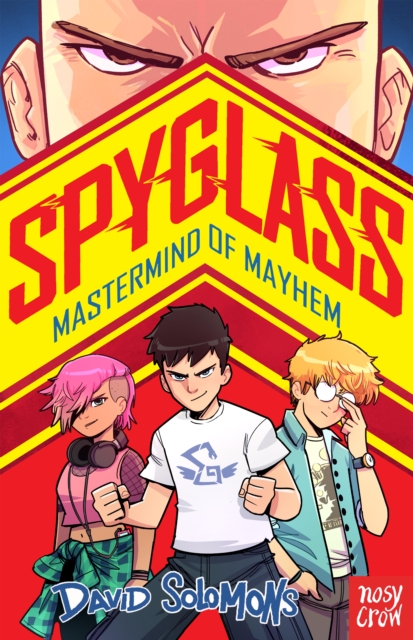
Whilst building to reading Bowen, spies in training will find it hard to tear themselves away from the first in David Solomons’ Spyglass series, Mastermind of Mayhem, in which a group of children find the hiding place of an MI6 officer (rookie mistake, never use a hideout more than once). It’s an urgent adventure story in which nothing less than the fate of the world is at stake.
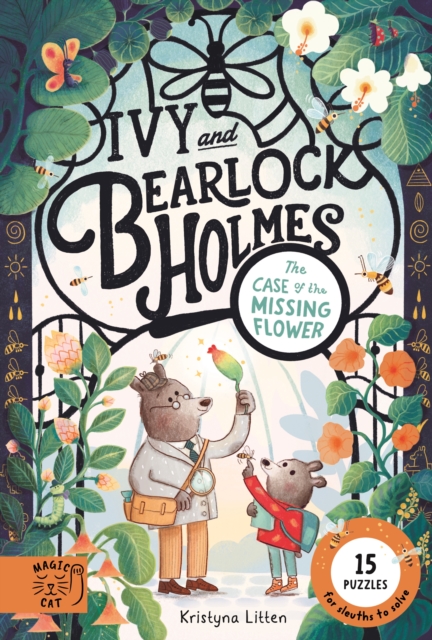
Those starting to read independently who like biscuits and puzzles will thoroughly enjoy a classic honeytrap in Ivy and Bearlock Holmes: The Case of the Missing Flower by Kristyna Litten. The illustrations in this graphic novel are gorgeous and readers play their part in the case too with codes to crack, riddles to decipher and a bee’s waggle dance to navigate.
May you waggle your way through the weekend,
Lizzie
Featured in the newsletter
-

The Heat of the Day
£10.99 -

Our Noble Selves
£22.00 -
Redwood
£25.00 -

SPYGLASS
£7.99 -

Children of Wolves
£18.99 -
Foreign Affairs
£9.99 -

The Case of the Missing Flower
£7.99