No News is Bad News – 28 August 2026
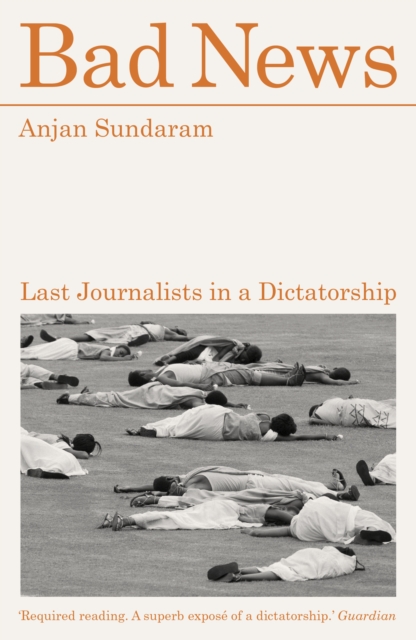
Travelling in the Rwandan countryside after the 2010 ‘election,’ the journalist Anjan Sundaram comes across a scene of devastation: huts with their roofs ripped off and burnt, more huts torn down – it looks like the aftermath of a war. Yet nearby are bunches of grass thatch which could be used to rebuild and the now homeless people do not seem to be the victims of violence, though many are suffering from malaria and malnutrition. What happened?
The president, recently re-elected with 95% of the vote – miraculously the figure he predicted when the election was called – decided that grass roofs were primitive. Rwanda is modern now. The order came. The people destroyed their own homes. A woman too elderly and infirm to pull down her hut begged a neighbour to do so. She lay dying in the open, managing to say that the president was kind for thinking of the poor.
Back in the capital, no one believes Sundaram. The chattily-named housing programme, ‘Bye Bye Nyakatsi’, to eradicate thatch-roof huts had been announced and their inhabitants were living in modern homes built for them by the government. The government said so.
Sundaram’s book, Bad News – the most understated title since Hard Times – begins in 2009 when he came to Rwanda to teach journalists how to identify and research news stories. In a country repressing news. Under a government with total control. Such control that when he visits the prison camps and meets the most violent killers from the Rwandan genocide, there are almost no guards. They aren’t needed: there is nowhere to run and no one to trust if there were such a place. The people are not individuals but agents of the state.
Bad News explores what journalists can do, what their responsibilities are under a regime like this. Sundaram is afraid for and afraid of some of his students, with good reason. He conveys the disorientating experience of living in and trying to write about a place where what you see and hear is denied, let alone trying to get anyone to read the result. At one point he arrives on the scene of an explosion. He has heard the blasts. He can see that the roads are being cleared. But the flat insistence that nothing has happened almost convinces him that he imagined it.
There are moments of hope in attempts to set up new papers and shrewd ways that the students find of reporting on the famine without directly doing so. But the book closes starkly: ‘The government had won. There was silence in the country.’ Journalists, literally, bowed before the president. The first appendix lists the major governments and institutions which stopped payments to aid organisations and provided direct support to the Rwandan government instead, apparently taken in by their version of the country’s news. The second is a list, not exhaustive, of journalists who have ‘faced difficulties’ (another understatement) after criticising the government. It runs for sixteen pages.
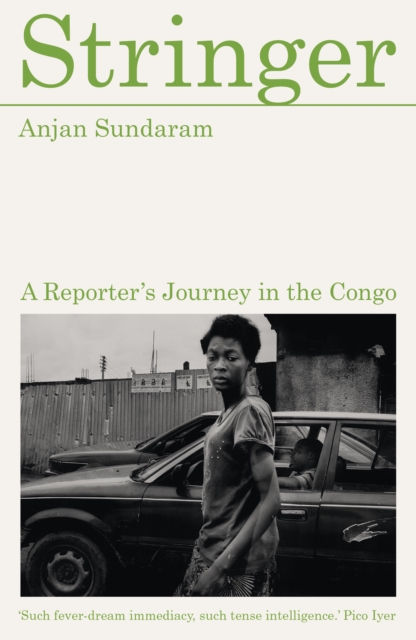
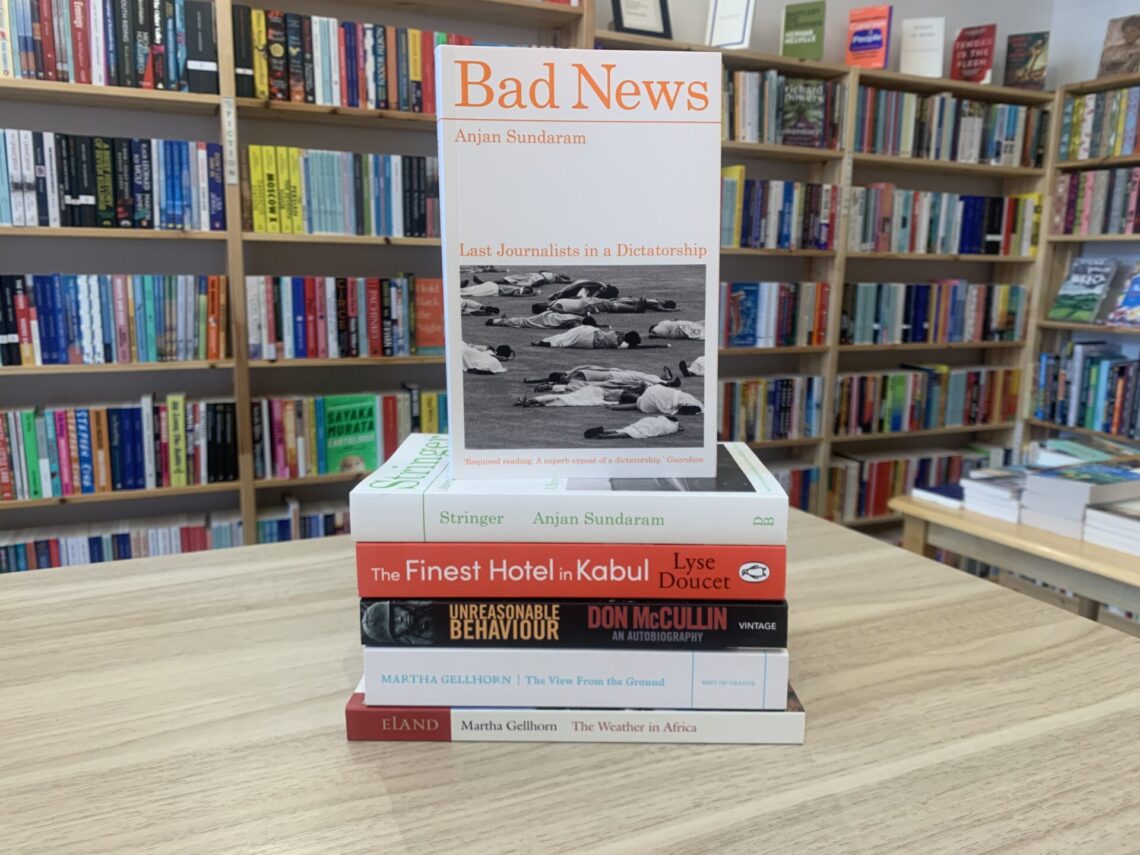
Bad News covers Sundaram’s time in Rwanda from 2009-2013 but has just been republished by Daunt along with Stringer, his account of the Congo in 2006. Sundaram gave up a promising academic career in the US, leaving behind the pursuit of beauty (aka the study of pure maths) for the feverish mess of becoming a war correspondent. That and the tedium of waiting around in the dusty heat, the stories pursued for months which fail and the odd, intense joy he finds amongst some of the young (starving, uneducated, intoxicated) people he meets.
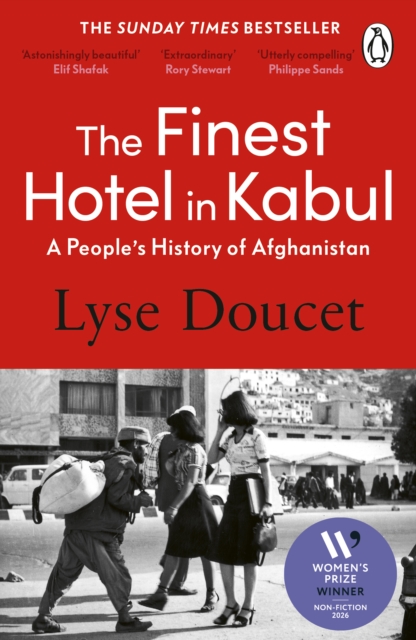
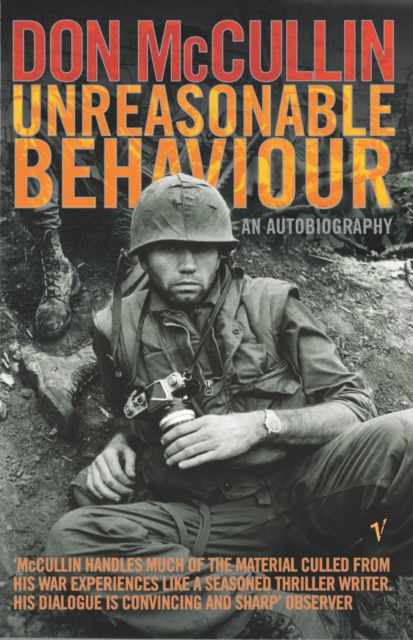
I think these are extraordinary books. There is no bravado, just an intelligent and fearful (sensibly so) eye trying to see what is really going on and exploring what it is possible to do with those realisations even as words are repressed. They put me in mind of Lyse Doucet’s reporting and her book The Finest Hotel in Kabul (which I wrote about last year) and of Don McCullin’s writing in Unreasonable Behaviour (which I have also gone on about before). They all seem to me devoted journalists striving to tell the stories of people affected by the decisions of disconnected, corrupt or downright monstrous authorities.
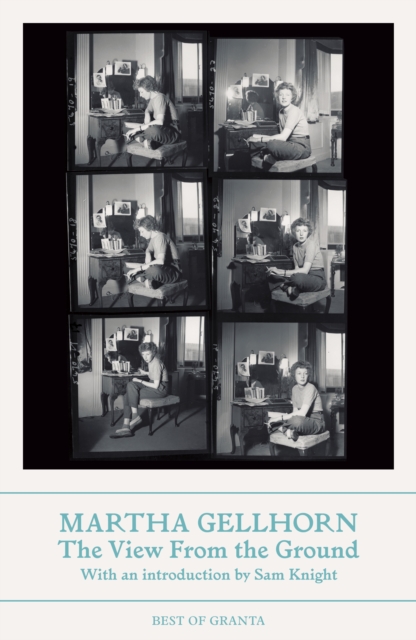
With this in mind, I think the time has come to catch up with many of you and read everything by the journalist, war correspondent and novelist Martha Gellhorn. I have just started Granta’s new edition of her reporting away from the frontline, collected in The View from the Ground (superb cover photographs by another outstanding journalist Lee Miller) and beginning in the thirties with her absolute rage at the poverty, hunger and lack of education in America.
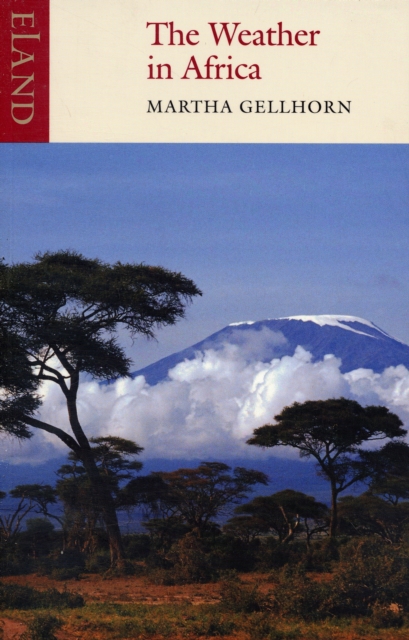
She was committed to pursuing stories that showed the real effects of political decisions, even as the people she met seemed often to find lies more palatable (cf. her speaking about this here) and to combating the ‘organised forgetting’ that the authorities encourage. Her reporting and research and constant questioning of governments were central to her fiction too and I am looking forward to starting with The Weather in Africa, three connected novellas which she wrote after years living in East Africa.
May your weekend bring some good news,
Lizzie
Featured in the newsletter
-

The Finest Hotel in Kabul
£11.99 -
Bad News
£11.99 -
Stringer
£11.99 -
The View From the Ground
£10.99 -

Unreasonable Behaviour
£12.99 -

The Weather in Africa
£12.99