Twenty-Eight Days Later – 7 August 2026
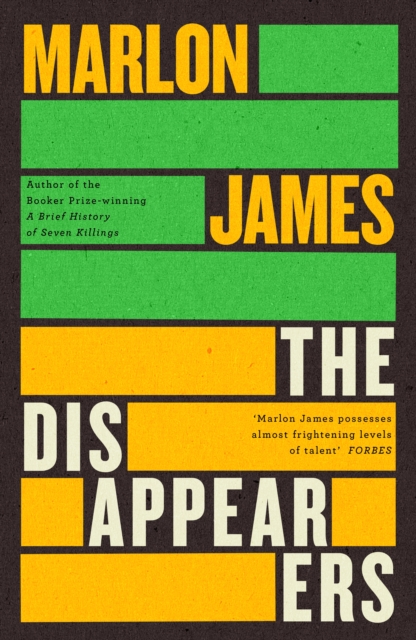
You have twenty-eight days until you can read the book that I think you must read. You may need that long to prepare yourself mentally and physically, to clear your schedule of all distractions, to limber up and get your sturdier tote bag ready – at 640 pages it weighs 842 grams – and to ensure tea and biscuit supplies are stocked up because you won’t find a great deal of comfort within the pages of this superlative novel, The Disappearers by Marlon James.
The blurb gives away too much. Here is what you need to know: it opens with a group of gay men gathered in response to an advertisement for auditions for a play. This is Jamaica in 1988, the play is about homosexuality and just by being in the same room the men are risking everything. But then everyday existence for them is a risk (and still is in 2026).
The story of the rehearsals for a play they can never stage is told by Edmond Porteous, both a naïve young man and one already traumatised by and afraid of what faces him because of who he is. Later sections comprise the visceral rages of ‘The Blackjacks,’ a terrifying mob, letters, sent and unsent, diary entries and the merciless account of Jordan Brown, another of the actors, interspersed with his interviews with a journalist several years later.
I don’t think I should spell out any more, though even if you knew every event that is to come it would be worth reading for style and form alone. I will say that the novel is utterly chilling. It is explicit and violent but in no way gratuitous. Every page is essential, every horrific scene, apparently casual insult and detail of clothing or skin or expression fundamental. Throughout there is a sort of mad wit and admirable urge to survive.
Perhaps because of the ‘difficult’ subjects he writes about, people often say that Marlon James’s writing is ‘Important’ and that his books ‘Matter.’ Both are true but perhaps detract from how remarkable the experience of reading his work also is. 640 pages, many of them filled with speech patterns and vocabulary completely outside of my experience in a place and time to which I have never been and I was hooked.
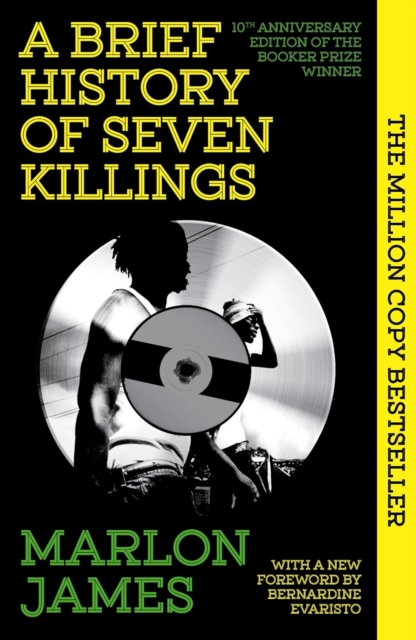
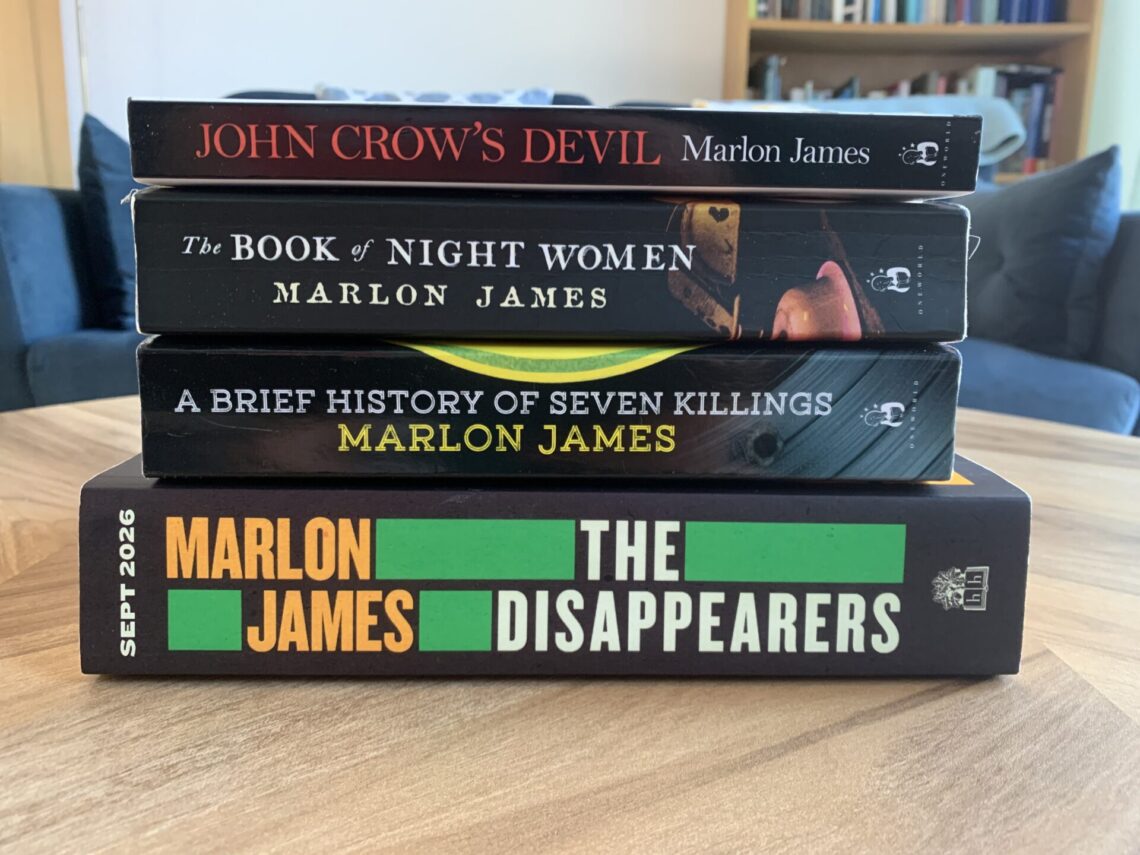
In all of his books I have found the writing exquisite. Music has a big influence over his characters and in turn over the rhythm of the stories. The settings – the smells, the mazes of streets, the cluttered cars, dank clubs and their noise – are so clear. You get the sense that James knows the history even of the people who appear momentarily. Which is saying something when you open A Brief History of Seven Killings and meet the vast cast of characters wrapped up in the attempt to kill Bob Marley. It is loud. Cacophonous. Funny and horrible. I remember struggling when I first started reading it to keep up with the relationships between everyone, their nicknames and the shifts in time and place and then something clicked: I could see it all and was addicted.
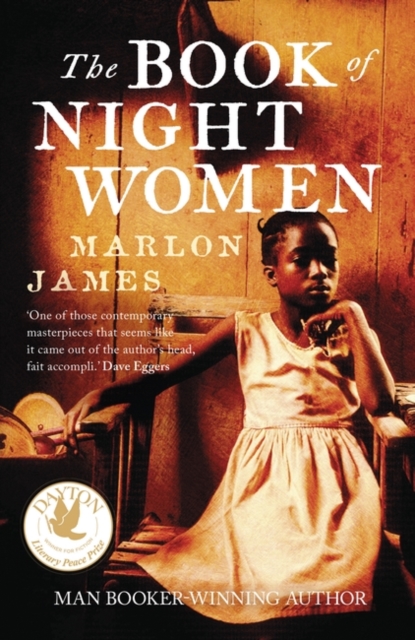
Reading that led me to The Book of Night Women, which is very different in tone and tells the story of Lilith who is born into slavery on a sugar plantation. She is a frightened young girl. She is a powerful force. She could be a saviour or a terrible threat. I would put it alongside Toni Morrison’s Beloved for books I want everyone to read (several times), asking moral questions in a stunning and disconcerting way.
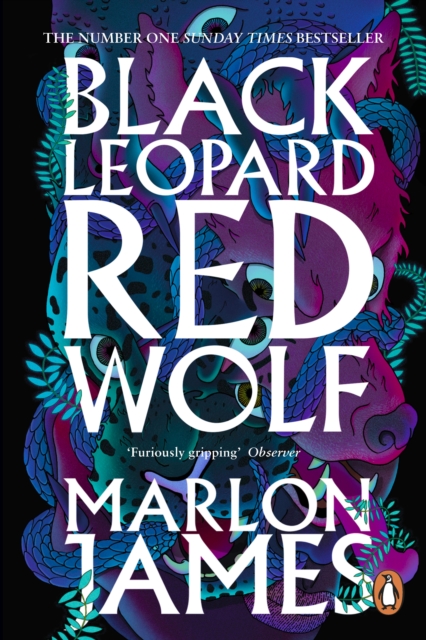
James is hugely versatile and I am yet to read his celebrated fantasy series, which begins with Black Leopard, Red Wolf, about a hunter searching for a lost child. Up next for me is his debut, John Crow’s Devil, a struggle between good and evil of biblical proportions in which a stranger arrives in a small town and drags the alcoholic village preacher from his pulpit… I’m sure it’s nice and relaxing after The Disappearers.
May your weekend reading time not disappear too quickly,
Lizzie
Featured in the newsletter
-

A Brief History of Seven Killings
£10.99 -
The Disappearers
£20.00 -

The Book of Night Women
£10.99 -

Black Leopard, Red Wolf
£12.99 -
Beloved
£9.99